


















































































































































































































































































































































































































































































































































































































In an unforeseen twist of events at the Hangzhou Asian Games, China has made the controversial decision to drop the live broadcast of specific esports matchups, casting a shadow of uncertainty over the thriving billion-dollar professional video gaming world. This unexpected move has sparked a wave of questions and concerns among esports enthusiasts and industry observers alike.
Chinese video platforms, including industry giants Tencent Holdings Ltd. and Huya Inc., have been issued directives to restrict their live streaming coverage to only the semifinals and finals of multiplayer games such as Honor of Kings and League of Legends. The rationale behind this decision appears to be multi-faceted, with concerns over internet addiction taking center stage. Insiders familiar with the situation, who have chosen to remain anonymous to protect their privacy, have shed light on these concerns.
This abrupt shift in broadcasting plans has given rise to a sea of confusion within China’s colossal esports fanbase, which boasts over 400 million dedicated followers. Initially brimming with excitement to tune in to the live programming on Sunday, these fans were instead met with a scheduled program notice on Huya, one of China’s premier Twitch-style services backed by Tencent. The notice starkly stated that there would be no live feeds available for the group-stage and quarterfinal esports competitions, leaving fans perplexed and wanting for a clear explanation.
Even on Tencent’s streaming platform, users found themselves in the dark, unable to access video footage, including replays, of the Day 1 matches. Comments expressing frustration, confusion, and a longing for clarity filled the platform, but it was observed that many of these comments mysteriously disappeared, as reported by Bloomberg News.
Amid the growing frustration and a desperate quest for answers within the esports community, both Tencent and Huya maintained an enigmatic silence. Inquiries directed at Tencent spokespersons went unanswered, while a representative from Huya, when approached for comment, chose to withhold any official statement on the matter.
In accordance with standard protocol for major sporting events, the broadcasting rights for the Asian Games in mainland China are vested in the state broadcaster, CCTV. These rights are subsequently disseminated to other platforms to ensure widespread coverage and accessibility to the games.
Fortunately, on Monday afternoon, the much-anticipated Honor of Kings semifinal showdown between China and Thailand unfolded as planned, with the match being broadcast across various platforms, including CCTV, Huya, and Tencent.
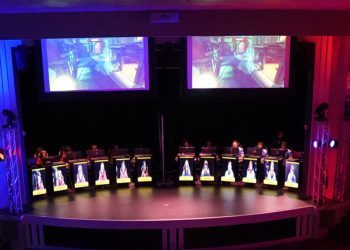
The significance of this year’s Asian Games is underscored by the historic recognition of competitive video games as official medal events for the very first time. Tencent, a global gaming industry powerhouse, has played a pivotal role by either publishing or developing four of the seven competitive video games featured in Hangzhou.
For Beijing, the hosting of the Hangzhou Asian Games represents a unique opportunity to reclaim international prestige after the disruptions inflicted by the Covid-19 pandemic. In their approach to gaming and esports, Chinese regulators draw a discernible line of demarcation. While they have implemented stringent measures targeting the gaming industry in recent years, citing concerns related to youth addiction and problematic content, competitive gaming stands apart as a bona fide sport. The cities of Shanghai and Shenzhen are currently engaged in a spirited competition to establish themselves as global esports hubs, serving to underscore the overarching significance of esports in China’s broader strategy.
As the controversy surrounding the broadcast of esports at the Hangzhou Asian Games continues to unfurl, it provokes significant questions regarding the future of esports in China and its standing on the global stage.
FAQs (Frequently Asked Questions)
Why did China drop the live broadcast of some esports matchups at the Hangzhou Asian Games?
China made this decision, at least in part, due to concerns regarding internet addiction among young people.
Which video platforms were affected by this decision?
Chinese video platforms like Tencent Holdings Ltd. and Huya Inc. were instructed to stream only the semifinals and finals of multiplayer games.
How did China’s esports fans react to the last-minute notice of the broadcast changes?
China’s 400 million esports fans were confused and disappointed by the sudden change, as they had initially anticipated watching the live programming.
What explanation was provided for the removal of live feeds for group-stage and quarterfinal esports competitions?
Initially, no official reason was given for this decision, leaving fans without a clear explanation.
Were users able to find video footage and replays of the Day 1 matches on Tencent’s streaming site?
Users expressed frustration when they couldn’t find video footage, including replays, of the Day 1 matches, and some comments discussing the issue were later deleted.
Did Tencent and Huya provide any official comments or statements in response to the controversy?
Tencent spokespersons did not respond to requests for comment, and a representative from Huya declined to provide any official statement.
Who holds the broadcasting rights for the Asian Games in mainland China?
The broadcasting rights for the Asian Games in mainland China are held by the state broadcaster, CCTV, which then distributes them to other platforms.
Why is this year’s Asian Games significant for competitive video games?
This year’s Asian Games marks the first time that competitive video games are recognized as official medal events, highlighting their growing importance in the world of sports.
What is the distinction made by Chinese regulators between video games and esports?
Chinese regulators differentiate between video games, which have faced stricter regulations due to concerns about youth addiction and content, and esports, which are seen as legitimate sports.
Why is hosting the Hangzhou Asian Games important for Beijing?
Hosting the Hangzhou Asian Games allows Beijing to regain international prestige after the Covid-19 pandemic disruptions and emphasizes the city’s commitment to the gaming and esports industry.































 by
by 
