










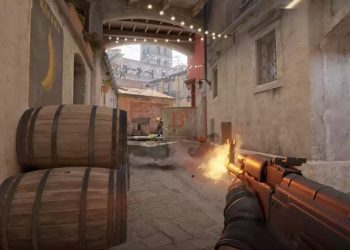






























































































































































































































































































































































































































































































































































































































It’s fascinating how CS:GO has revolutionized the world of esports through its ever-changing maps. From the iconic Dust II to the strategic Inferno, these battlegrounds have shaped the competitive landscape of professional gaming. In this blog post, we will investigate into the evolution of CS:GO maps, exploring how they have influenced gameplay, tactics, and player strategies over the years. Join us as we take a trip down memory lane and uncover the secrets behind some of the most important and influential maps in esports history.
The Early Years
First-Generation Maps and Their Impact
Years ago, when Counter-Strike started its journey as a mod of Half-Life, maps like Dust and Aztec emerged as staples in the competitive scene. These first-generation maps laid the foundation for the strategic gameplay that would define the future of CS.
Highlights of Iconic CS Maps
Early CS maps such as Dust II, Inferno, and Nuke quickly became fan favorites for their balanced design and intense gameplay. These maps not only challenged players’ skills but also showcased the tactical depth that CS was known for.
Understanding the significance of these maps is crucial in comprehending the evolution of CS. Dust II, with its simple layout and strategic chokepoints, became a benchmark for competitive play. Inferno’s tight corridors and multiple entry points created thrilling engagements, while Nuke’s vertical gameplay introduced a new dimension to map strategy.
Map Evolution and Gameplay Dynamics
The Shift in Map Design Philosophy
Design is at the core of every successful CS:GO map, determining how players navigate the environment, strategize, and engage in battles. Over the years, there has been a noticeable shift in map design philosophy. Early maps favored simplistic layouts with clear sightlines, but as the competitive scene grew, developers started focusing on intricate designs that offered a balance of strategic depth and dynamic gameplay.
How Map Updates Affected Competitive Play
For competitive CS:GO players, map updates can make or break their strategies and gameplay. It is crucial for teams to adapt quickly to these changes to maintain their competitive edge. Updates that significantly alter key areas of a map can force players to rethink their tactics and approach, leading to new meta developments and gameplay styles.
Map updates can also introduce new features or remove existing ones, affecting the overall flow of the game. It is important for players to stay informed about these changes and practice accordingly to stay ahead in the ever-evolving competitive landscape.
Modern Era Maps
Despite the long history and heritage of classic maps in competitive CS:GO gameplay, the modern era has seen a significant shift towards more advanced and intricate map designs. These maps incorporate cutting-edge features and gameplay elements that challenge players in new and exciting ways.
Integration of Advanced Design Features
- Dynamic Environments
- Interactive Props and Objects
- Verticality and Multi-Level Structures
- Strategic Sound Design
Modern CS:GO maps have evolved to incorporate advanced design features that add depth and complexity to gameplay. The integration of dynamic environments, interactive props, and multi-level structures provides players with new strategic opportunities to explore and exploit during matches.
Player-Driven Changes and Developer Responses
Advanced player engagement and feedback have played a significant role in shaping the evolution of CS:GO maps in the modern era. Developers have closely monitored player behavior, preferences, and performance to fine-tune and adjust maps in response to community feedback and the evolving meta. This dynamic relationship between players and developers has led to a continuous cycle of updates and improvements that keep the competitive scene fresh and exciting.
To enhance the competitive experience and maintain the integrity of the game, developers have implemented various changes and updates based on player feedback. These changes aim to address issues such as map imbalance, exploits, and gameplay stagnation, ensuring that CS:GO maps remain engaging and fair for all players.
Future Directions
Anticipated Trends in Map Development
One of the anticipated trends in map development for CS: GO involves a focus on more dynamic and interactive environments. With the advancements in technology, we can expect maps to feature elements that respond to player interaction, offering new tactical opportunities and challenges. This could include destructible environments, moving elements, or weather effects that impact gameplay.
The Role of Community Feedback in Shaping the Future
Feedback from the CS: GO community has always been instrumental in shaping the game’s development, and this will continue to be a crucial factor in the future evolution of esports maps. Allowing players to provide input on map design and adjustments not only enhances the gaming experience but also fosters a sense of ownership and connection to the game. Community feedback can lead to more balanced and engaging maps that resonate with players.
Development: It is important for developers to take into account the feedback provided by the community to ensure the maps are well-received and enhance the overall gaming experience. Community feedback can also help to identify potential issues or exploits in maps that could impact gameplay balance. By involving the community in the map development process, developers can create more inclusive and competitive gaming environments.
Conclusion
Upon reflecting on the evolution of esports maps in CS:GO, it is evident that these virtual battlegrounds have played a crucial role in shaping the competitive gaming landscape. From classic maps like Dust II to newer additions like Vertigo, each map brings its own unique challenges and strategic opportunities for players and teams to explore. As the game continues to evolve and new maps are introduced, it will be fascinating to witness how the competitive scene adapts and thrives on these ever-changing virtual arenas. Esports maps in CS:GO have truly become an imperative component of the game’s enduring legacy in the world of esports.
































 by
by 
